What Are Viewer Behavior Signals in Faceless Short Videos?
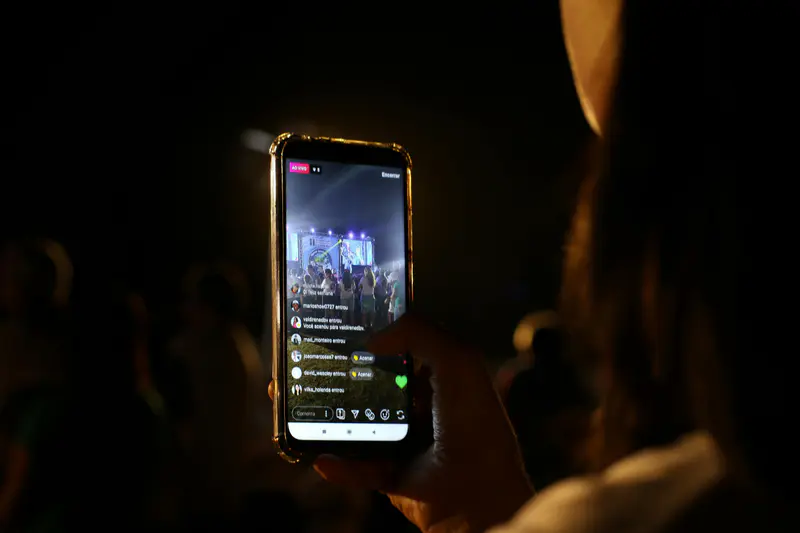
Viewer behavior signals are the small actions people take while watching a video, pausing, rewatching, or even scrolling back. These signals help algorithms understand how viewers feel about the content. Every action, no matter how fast or subtle, helps the platform build a clearer picture of how viewers feel about your content.
Because faceless videos rely on text, pacing, and audio, the algorithm uses viewer interaction metrics to decide whether the content deserves wider distribution. This makes behavior signals even more important for faceless formats
Understanding these signals is important because viewer activity affects video reach more than anything else. The stronger the signals, the more the algorithm recommends your content. Algorithms aren’t guessing. They’re reading the way viewers behave. And the stronger these signals are, the more the platform recommends your content to a larger audience.
1. Why Does Completion Rate Matter for Faceless Videos?
Completion rate is the algorithm’s most trusted signal. When people watch a video from start to finish, the platform sees:
- clear messaging
- strong pacing
- consistent interest
- high engagement potential
A high completion rate tells the algorithm that the content held attention. This is one of the clearest forms of positive feedback a viewer can give, even more powerful than a like or comment.
On the other hand, a low completion rate signals a drop-off, which stops further testing and reduces reach. Faceless videos rely even more on this metric because viewers don’t have a personality to connect with. It’s the structure of the video that keeps them watching.
2. How Does the Algorithm Use the First Second to Evaluate Your Video?
The first second influences how the algorithm decides which videos to show next. Viewer reactions include:
- immediate scroll-away
- brief hesitation
- hover time
This moment determines whether your video survives the algorithm’s initial testing group. If viewers scroll immediately, the platform interprets that as a failure of the hook. If viewers hesitate, pause, or show even a slight sign of interest, the video is allowed to continue into the next testing pool.
A strong first second usually includes:
a bold statement
a curiosity-driven question
visual motion
quick text reveal
sound that grabs attention
The algorithm uses this moment as a prediction model:
If viewers stay now, they will likely stay longer.
For better initial performance, posting at strategic times can help. See our guide on the best posting times for short videos.
3. Why Are Replays One of the Strongest Ranking Signals?
Replays signal that the video was worth watching again. When a viewer chooses to watch again, the algorithm interprets this as:
- strong emotional impact
- clarity in messaging
- satisfying pacing
- high viewer engagement
Very few actions communicate interest more strongly than a replay. Short, faceless content benefits from looping formats that increase replay rates and strengthen video recommendation signals.
4. What Watch Behaviors Does the Algorithm Track?
Algorithms track more than just watch time. They analyze subtle watch pattern insights, such as:
- pauses to read text
- hovering before scrolling
- turning sound on
- scrolling back to rewatch
- opening the creator’s profile
- watching more videos afterward
These signals help the system understand what platforms look for in high-performing faceless content. Clear pacing and readable text improve these signals dramatically.
To improve overall engagement behavior, see our guide on AI video engagement tips.
5. How Does Early Engagement Affect Recommendations?
During the first hour, algorithms measure:
- likes
- comments
- shares
- saves
- replays
If engagement is strong early, your video enters larger testing groups.
If engagement is weak, distribution slows down.
This early engagement forms the baseline for behavior-based ranking and determines whether the content continues gaining reach.
6. How Does Pacing Influence Viewer Behavior Signals?
Pacing shapes how long viewers stay engaged. Slow pacing results in early drop-off, which weakens signals.
Effective pacing includes:
- scene changes
- micro-zooms
- animated text
- sound shifts
- movement to avoid static frames
Good pacing strengthens:
completion rate
hover time
replays
viewing satisfaction
These micro-movements help strengthen viewer behavior signals and improve overall ranking.
7. How Does the Algorithm Classify Faceless Content?
Algorithms determine your topic by analyzing:
- on-screen text
- voiceover wording
- caption keywords
- viewer interaction patterns
Consistent themes help the system understand how to categorize your content, which determines who it gets recommended to.
If your account is new, warming up your social presence helps algorithms index your profile more efficiently. Learn how with our guide on warming up social media accounts.
8. Why Consistent Posting Helps Algorithms Recommend More Videos
Posting consistently gives the algorithm more data to work with. Each video helps the system:
- test new videos more accurately
- predict reach potential
- identify viewer interest patterns
Consistency improves content performance signals and strengthens your algorithmic positioning over time.
Why Viewer Behavior Signals Shape Algorithm Success
Viewer behavior signals determine whether your faceless video earns more reach or disappears in early testing. Algorithms reward videos that:
- hold attention
- load quickly
- encourage replays
- produce strong pacing
- generate early engagement
- stay consistent in topic
Faceless videos succeed when they align with the platform’s behavioral expectations. The algorithm promotes content that creates clear, measurable interest—and every viewer action contributes to that decision.
Strengthen Viewer Behavior Signals with ShortsFaceless

Many viewer behavior signals can be improved through simple AI workflows. A noticeable pattern across high-performing faceless videos is consistent pacing and clean formatting, which often come from automated editing tools.
ShortsFaceless, helps creators generate algorithm-friendly faceless videos in seconds. The tool automates pacing, text placement, and narration, making it easier to produce content that encourages stronger viewer behavior signals and earns more recommendations.